
- Why Suspension Matters More on Electric Dirt Bikes
- Front Fork, Rear Shock and Triple Clamp Explained
- Front Fork
- Rear Shock
- Triple Clamp
- Coil vs Air Suspension for E-Moto Riding
- How Rider Weight Affects Spring Rate
- Sag, Compression and Rebound
- Sag
- Compression Damping
- Rebound Damping
- Trail Riding vs Jumping vs Street Riding
- Trail Riding
- Jumping
- Street Riding
- Heavy Riders
- When to Upgrade to Fastace Suspension
- What to Check Before Buying Electric Dirt Bike Suspension
- How to Choose the Right Setup
- If You Ride Mostly Street
- If You Ride Trails
- If You Jump
- If You Are a Heavy Rider
- If You Are a Dealer
- Final Recommendation
- FAQ
- What is electric dirt bike suspension?
- Should I upgrade the fork or rear shock first?
- Is coil or air suspension better for electric dirt bikes?
- Why does rider weight matter?
- What is spring rate?
- What is compression damping?
- What is rebound damping?
- Is Fastace good for electric dirt bikes?
- What should I check before buying a Fastace fork?
- References
Electric Dirt Bike Suspension Guide: How to Choose Forks and Rear Shocks
Electric dirt bikes put serious demand on suspension because they combine instant torque, extra battery weight and aggressive off-road riding. This guide explains how to choose front forks, rear shocks, spring rate, sag, compression, rebound and Fastace upgrade options for hard riding.
Electric dirt bikes are changing off-road riding.
Bikes like Sur-Ron Light Bee, Talaria Sting, E Ride Pro, 79Bike Falcon, KTM Freeride E and Stark Varg are fast, quiet and easy to ride hard. But the harder you ride, the more important suspension becomes.
A good electric dirt bike suspension setup is not just about comfort. It affects braking, traction, steering, jumping, landing, cornering and rider confidence.
If the front fork is too soft, the bike dives under braking. If the rear shock is too weak, the bike kicks or bottoms out. If the spring rate is wrong, even an expensive suspension setup can feel bad.
This guide explains how to choose e moto suspension, including front forks, rear shocks, spring rate, compression, rebound and Fastace upgrade options.
Why Suspension Matters More on Electric Dirt Bikes
Electric dirt bikes create different suspension demands from normal bicycles and traditional small gas dirt bikes.
The biggest reasons are:
- instant torque
- battery weight
- heavier total bike mass than MTB platforms
- higher landing forces
- stronger braking loads
- mixed use across street, trail and jumps
- frequent power upgrades
A Sur-Ron or Talaria may look similar to a downhill mountain bike from a distance, but it is motorized, heavier and often ridden more aggressively. A Stark Varg or KTM Freeride E is even closer to a full motorcycle in suspension demand.
That is why premium electric dirt bikes highlight suspension as a key specification. KTM lists the Freeride E with a WP XACT USD front fork and WP XPLOR PDS rear shock, with long front and rear suspension travel [1]. Stark also uses rider-weight-based suspension settings and different spring rates on its KYB rear shock system [2].
On an electric dirt bike, suspension is not a small comfort part. It is a core performance system.
Front Fork, Rear Shock and Triple Clamp Explained
Before choosing an upgrade, riders should understand the basic parts.
Front Fork
The front fork is the front suspension system. It controls the front wheel, steering feel, braking support and front-end impact absorption.
A better front fork can reduce brake dive, improve control over bumps and make the bike feel more stable at speed.
Rear Shock
The rear shock controls the rear suspension. It affects rear-wheel traction, landing support, comfort and chassis balance.
A good rear shock helps the rear wheel stay planted, especially on rough trails and jump landings.
Triple Clamp
The triple clamp holds the fork tubes and connects the front fork to the frame through the steering stem.
Many e-moto fork upgrades require careful triple clamp checking. Even if the fork itself looks compatible, the installation may depend on: steerer type, crown size, fork tube diameter, axle standard, brake mount, rotor size, tire clearance and handlebar position.
Coil vs Air Suspension for E-Moto Riding
Electric dirt bike riders often ask whether they should choose coil or air suspension.
For many electric dirt bike riders, coil suspension is easier to trust because e-motos are heavier than mountain bikes and often hit harder. A coil spring also gives a direct way to match rider weight.
That does not mean air suspension is bad. High-end air forks from brands like FOX can work well in the right use case. But for heavier riders, jumping and hard off-road use, coil-based e-moto suspension is often easier to recommend.
How Rider Weight Affects Spring Rate
Spring rate is one of the most important suspension decisions.
Factory Connection explains that the first step in suspension setup is making sure the springs are correct for the rider's weight, height, ability level and intended use [3].
This matters because the spring carries the load.
If the spring is too soft: the fork dives too much, the rear shock sits too low, the bike bottoms out, steering becomes vague, landings feel harsh and the rider uses too much travel too early.
If the spring is too stiff: the bike feels harsh, traction becomes worse, the suspension does not absorb small bumps well and the rider feels more vibration and impact.
A heavy rider does not need a stronger spring because he wants a harsh ride. He needs a stronger spring because the bike must sit at the correct ride height and still have enough travel left for bumps, braking and landings.
Sag, Compression and Rebound
Sag
Sag is how much the suspension compresses under rider weight.
FOX's fork setup guide defines sag as the amount the suspension compresses under the rider's weight and riding gear, and gives 15% to 20% of total fork travel as a common fork sag range [4]. FOX's rear shock guide gives 25% to 30% of shock travel as a typical air shock sag range [5].
Sag tells you whether the bike is sitting in the right part of the suspension travel.
Compression Damping
Compression damping controls how fast the fork or rear shock compresses when hitting a bump, braking or landing.
Low-speed compression affects slower chassis movements such as braking dive, cornering support and body weight transfer.
High-speed compression affects fast impacts such as rocks, roots, square edges and landing forces.
If compression is too soft, the bike dives and bottoms out. If compression is too stiff, the bike feels harsh and loses grip.
Rebound Damping
Rebound damping controls how fast the suspension returns after compression.
If rebound is too fast, the bike feels bouncy and unstable. If rebound is too slow, the suspension packs down over repeated bumps and loses travel.
FOX explains rebound as the control of how fast the fork or shock extends after compression [4][5].
For e-moto riding, rebound is very important because electric bikes often accelerate quickly out of corners and over rough terrain. The suspension must return fast enough to stay active, but not so fast that it kicks the rider.
Trail Riding vs Jumping vs Street Riding
Trail Riding
Trail riding needs traction, comfort and predictable control. A good trail setup should absorb rocks and roots, reduce fatigue, keep the front wheel planted, keep the rear wheel tracking, avoid harshness and give enough support for braking and cornering.
For trail riders, Fastace suspension can be a practical choice because it offers real adjustability without premium-brand pricing.
Recommended direction: balanced fork and rear shock setup, correct spring rate, moderate compression, controlled rebound.
Jumping
Jumping places heavy demand on suspension. Riders need enough spring support, good bottom-out resistance, controlled high-speed compression, rear shock balance, predictable rebound and strong fork and clamp structure.
Recommended direction: stronger spring rate, more controlled compression, slower rebound than a street-only setup, and a rear shock that matches the front fork.
Street Riding
Street riding usually needs braking support, comfort and steering precision. Street riders may not need the strongest off-road setup, but they still need control under braking and over speed bumps, curbs and rough pavement.
Recommended direction: front fork upgrade first, less brake dive, smooth rebound, not too stiff.
Heavy Riders
Heavy riders should not choose suspension only by brand. They should check spring rate, rider weight range, sag, fork travel, rear shock support, bottom-out resistance and front and rear balance.
Fastace AHX12RV, for example, lists a 60lbs coil spring version for 100kg to 120kg rider weight, along with 200mm travel, rebound, high-speed compression and low-speed compression adjustment [7].
When to Upgrade to Fastace Suspension
Fastace becomes a strong option when the rider wants a practical upgrade, not just a premium badge.
It makes sense when the rider says: my stock fork dives too much, I am too heavy for the stock suspension, I want better support for jumps, I need a fork for Sur-Ron or Talaria or E Ride Pro, I want adjustability but not ultra-premium pricing, I need a setup my shop can recommend to customers, or I want a fork and rear shock package.
Fastace AHX12RV is especially relevant in this market because it is listed for Sur-Ron Light Bee, Talaria MX3 / MX4 / XXX, Segway X160 / X260, E-Ride Pro S / SS 1.0 / 2.0, 79Bike Falcon and other e-moto platforms. Its official listing includes 200mm travel, 110x20mm boost thru axle, 203mm brake post mount, rebound adjustment, high-speed and low-speed compression adjustment, and a 60lbs spring option for heavier riders [7].
A better message is: Fastace gives electric dirt bike riders a practical suspension upgrade with real adjustability, strong model coverage and better value for hard riding.
What to Check Before Buying Electric Dirt Bike Suspension
Before buying a fork or rear shock, riders should confirm: bike model, model year or version, rider weight with gear, riding terrain, front wheel size, axle standard, brake rotor size, triple clamp compatibility, rear shock size, spring rate, damping adjustment options and serviceability.
How to Choose the Right Setup
If You Ride Mostly Street
Choose a front fork that reduces brake dive and improves steering feel. You may not need the strongest jump setup.
If You Ride Trails
Choose a balanced fork and rear shock setup. Prioritize traction, rebound control and comfort.
If You Jump
Choose stronger spring support, good compression damping and a rear shock that matches the front fork.
If You Are a Heavy Rider
Choose spring rate first. Do not buy only by brand. Make sure the suspension can support your weight with gear.
If You Are a Dealer
Build packages around rider weight and bike model. Examples: Sur-Ron Light Bee trail setup, Talaria Sting heavy rider setup, E Ride Pro SS jump setup, 79Bike Falcon replacement suspension setup, Fastace fork and rear shock package.
Final Recommendation
The best electric dirt bike suspension is not always the most expensive one.
The best setup is the one that matches bike model, rider weight, riding terrain, jump frequency, braking style, wheel size, spring rate, fork and rear shock balance and service expectations.
For premium bikes like KTM Freeride E and Stark Varg, suspension is part of the bike's core performance identity. For upgrade platforms like Sur-Ron, Talaria, E Ride Pro and 79Bike Falcon, suspension is often the first serious modification after riders start pushing harder.
Fastace is a strong option for riders who want a practical e-moto suspension upgrade with real adjustability, broad fitment and a more accessible price-performance balance.
FAQ
What is electric dirt bike suspension?
Electric dirt bike suspension includes the front fork, rear shock, springs, damping system, linkage or PDS system, triple clamp and related mounting parts. It controls impact absorption, traction, braking support and bike stability.
Should I upgrade the fork or rear shock first?
For many riders, the front fork is the first upgrade because it affects braking, steering and front-end confidence. If the rear of the bike kicks, bottoms out or loses traction, the rear shock should also be upgraded.
Is coil or air suspension better for electric dirt bikes?
Coil suspension is often easier to recommend for electric dirt bikes because it provides consistent support for heavier bikes and harder landings. Air suspension can work well for lighter riders and MTB-style builds, but it needs more pressure checking.
Why does rider weight matter?
Rider weight affects sag, spring rate and how much travel the suspension uses. If the spring is too soft for the rider, the bike will dive, bottom out and feel unstable.
What is spring rate?
Spring rate describes how much force is needed to compress the spring. A heavier rider or harder riding style usually needs more spring support.
What is compression damping?
Compression damping controls how fast the suspension compresses when hitting bumps, braking or landing jumps.
What is rebound damping?
Rebound damping controls how fast the fork or rear shock extends after being compressed. Too fast feels bouncy. Too slow can make the suspension pack down over repeated bumps.
Is Fastace good for electric dirt bikes?
Fastace is a practical upgrade option for many lightweight electric dirt bikes, especially Sur-Ron, Talaria, E Ride Pro and 79Bike-style platforms. The right model, spring rate and fitment must be confirmed before ordering.
What should I check before buying a Fastace fork?
Check bike model, model year, wheel size, axle, brake rotor size, triple clamp, rider weight, riding style and whether you need a matching rear shock or spring upgrade.
References
[1] 2027 KTM Freeride E Technical Specifications
[2] Stark Varg KYB Rear Shock and Rider Weight Settings
[3] Factory Connection Suspension Setup Basics
[4] FOX 2025 Fork Setup Guide - Sag, Air Pressure and Rebound
[5] FOX 2025 FLOAT Shock Setup Guide - Sag and Rebound
[6] Warp 9 FastAce Suspension Bundle and Triple Clamp Notes
[7] FASTACE AHX12RV Front Fork for Sur-Ron, Talaria, E-Ride Pro and 79Bike Falcon
More Tech & Setup Guides
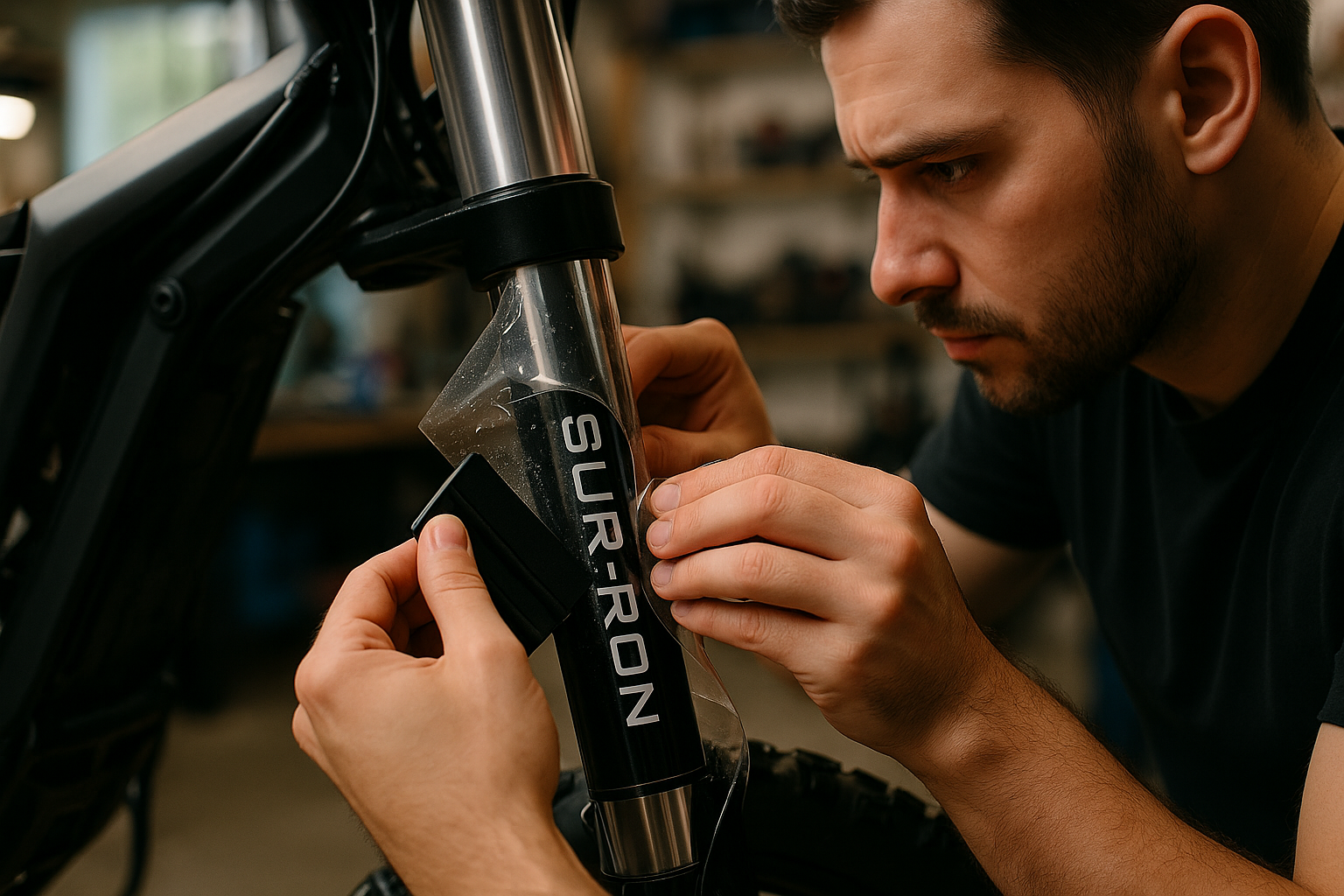
Fastace Suspension Options for the Sur-Ron Light Bee: High-End Shock Setup Guide
Learn how Fastace suspension and shocks transform the Sur-Ron Light Bee from a fun trail toy into a high-end dirt bike style machine. Get setup tips, tuning advice, and upgrade recommendations.
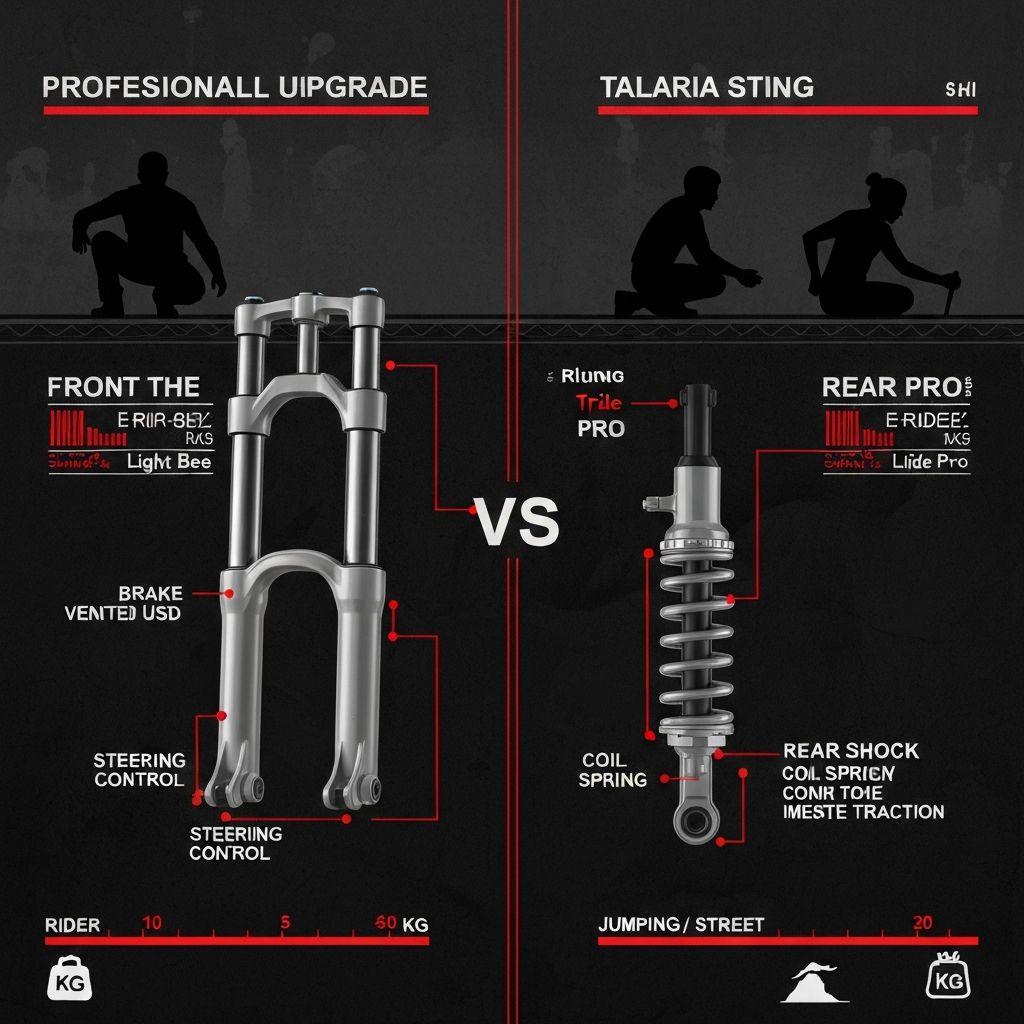
Fork or Rear Shock First? Best Suspension Upgrade Order for Sur-Ron, Talaria and E-Ride Pro
Not sure whether to upgrade the fork or rear shock first? Learn the best suspension upgrade order for Sur-Ron, Talaria and E-Ride Pro based on street riding, trails, jumps, heavy riders and budget.
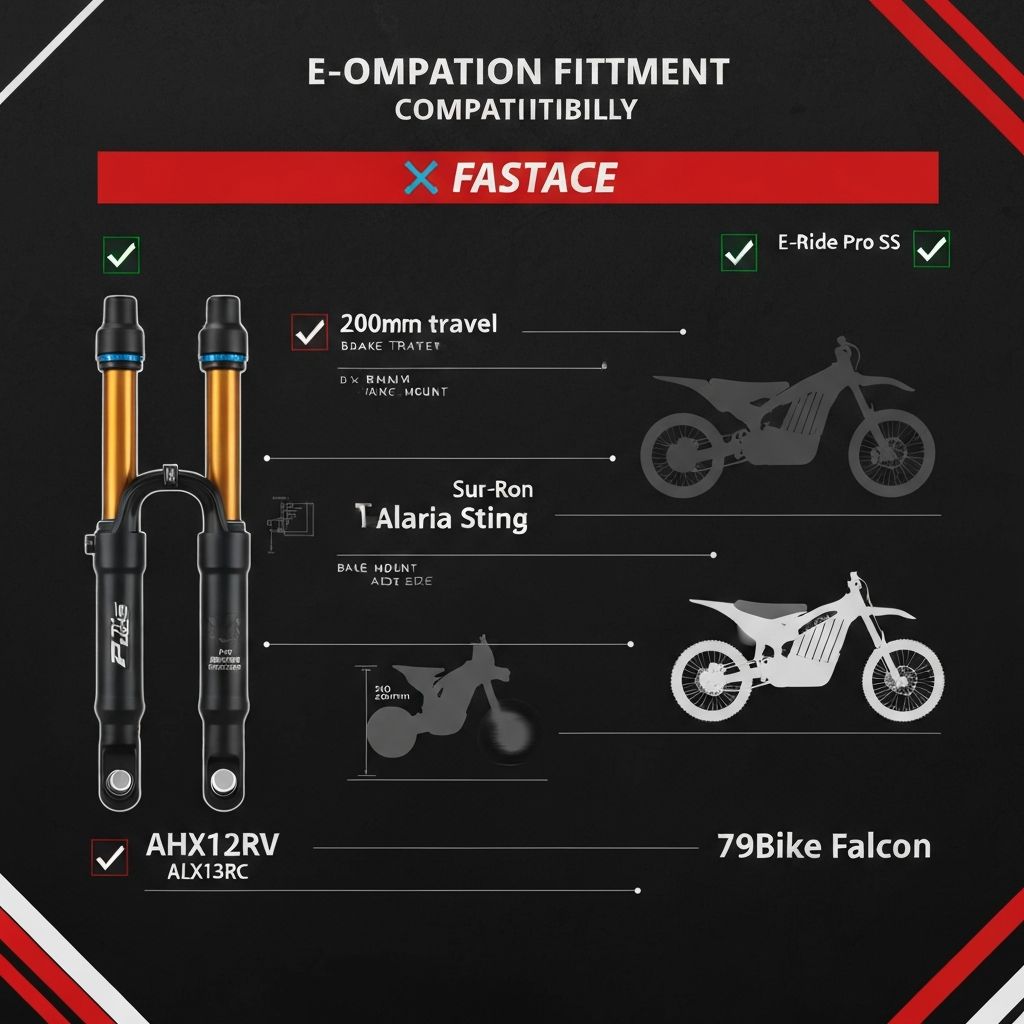
Fastace Suspension Fitment Guide for Talaria, E-Ride Pro, Sur-Ron and 79Bike Falcon
Check Fastace suspension fitment for Talaria Sting, E-Ride Pro SS, Sur-Ron Light Bee and 79Bike Falcon. Compare AHX12RV, ALX13RC, wheel size, brake mount, triple clamp and spring rate before ordering.