WHY SETUP
MATTERS
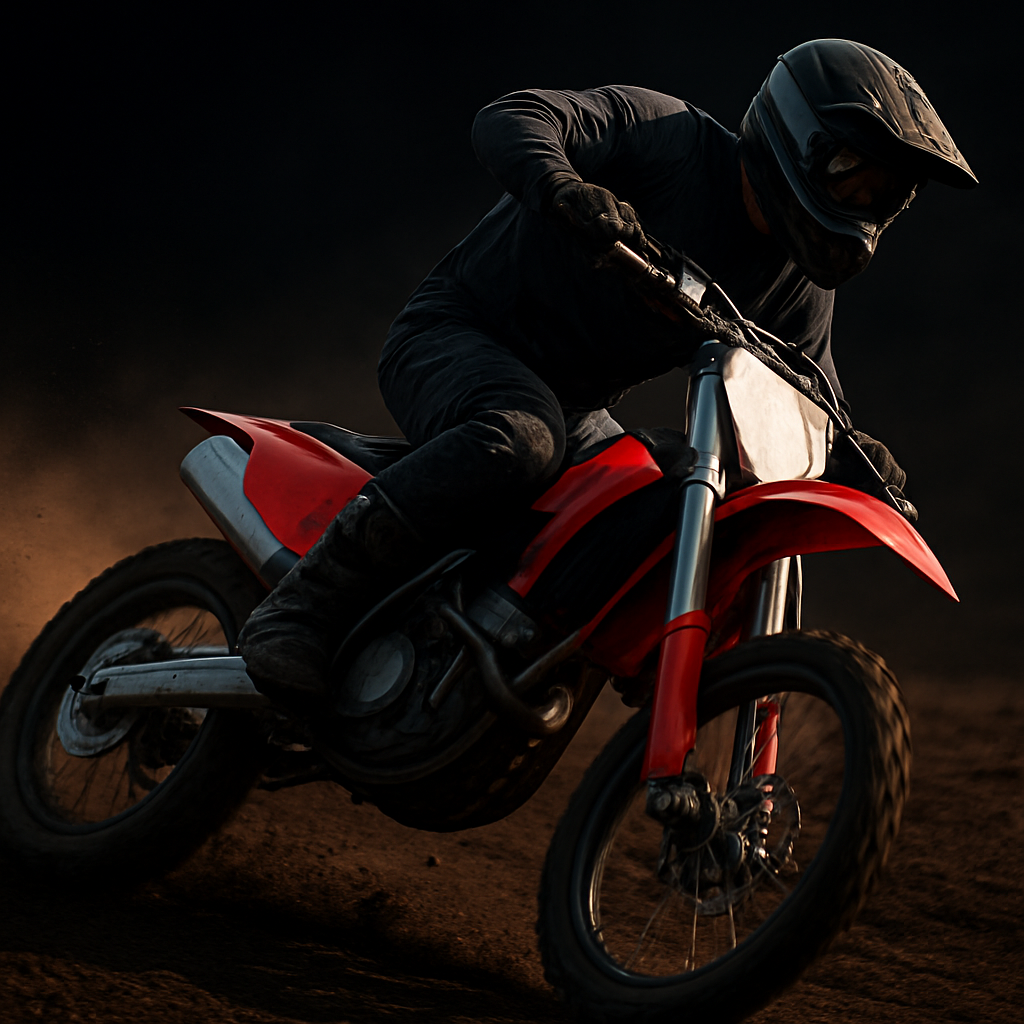
The right suspension setup helps the bike stay stable under braking, maintain tire contact and recover with control when the terrain gets rough.
A poor setup can feel too soft, too harsh, unstable through repeated impacts or unable to support the rider under hard braking and landings.
KEY SETUP FACTORS
FITMENT CHECK
Match the component to the bike before thinking about ride feel. Start with the original dimensions, mounting interfaces and available clearance.
- Front fork: center distance, travel, axle and caliper mount
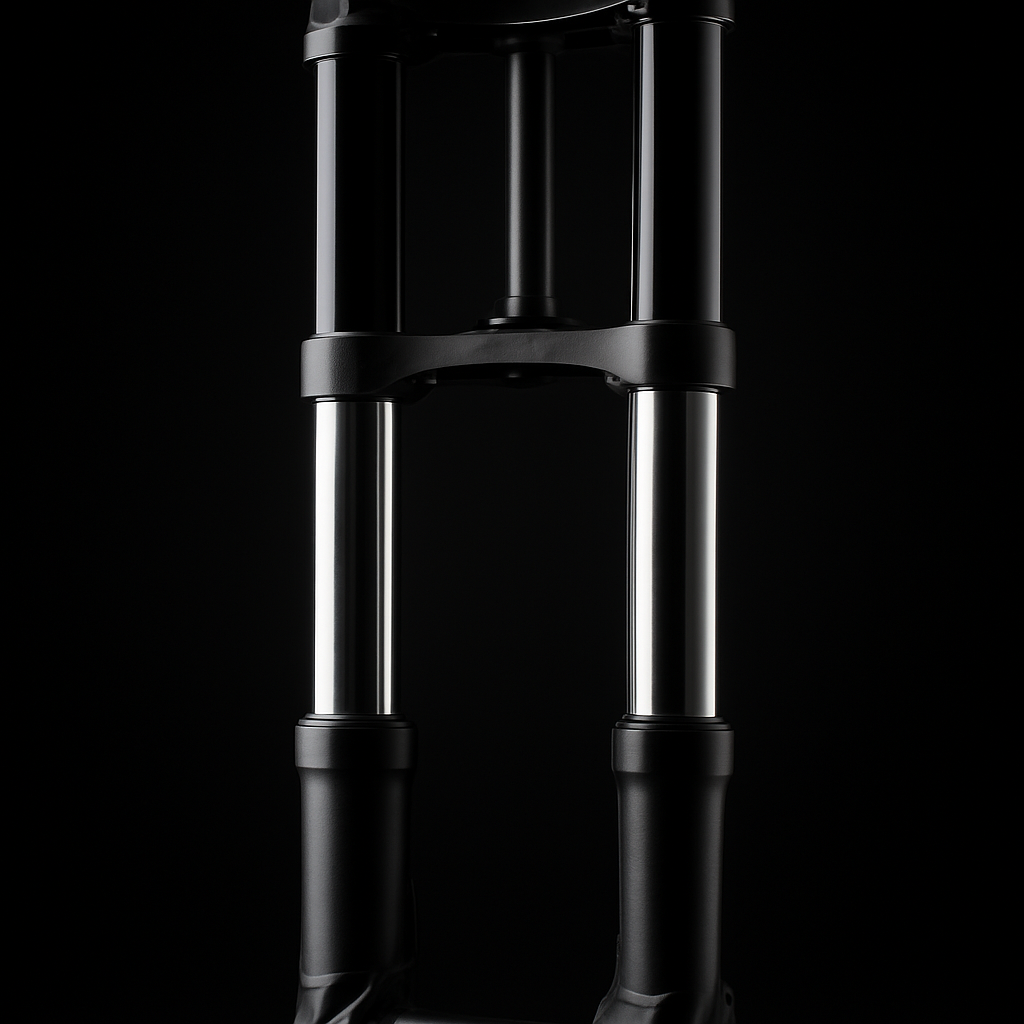
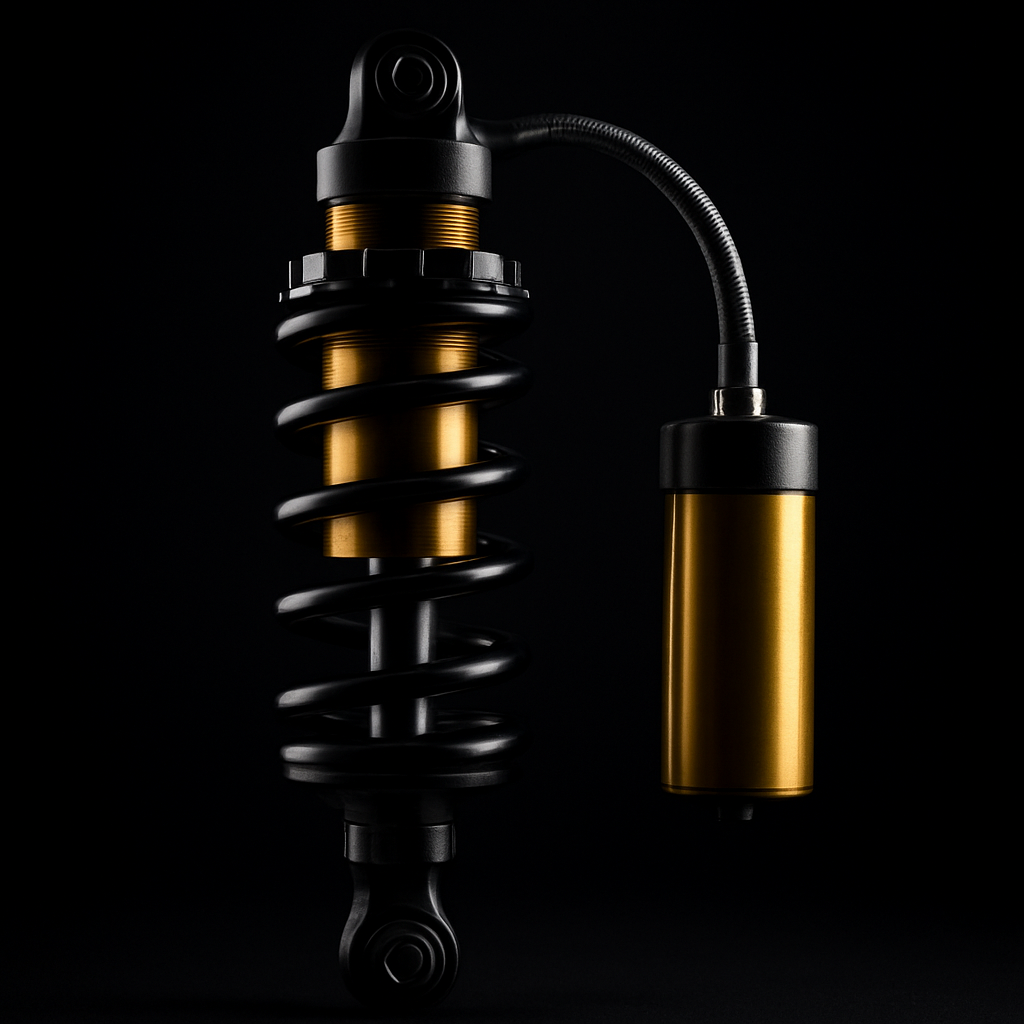
- Rear shock: eye-to-eye, stroke, mount width and clearance
- Other parts: diameter, mounting point and routing
RIDER LOAD& RIDING USE
Rider weight, carried gear and riding use determine how much support, compliance and control the suspension needs.
- Lighter or comfort-focused riders: prioritise smoother initial response
- Heavier or aggressive riders: prioritise stronger spring support
- Jumps or rough terrain: prioritise bottom-out reserve and rebound control
DAMPING& BALANCE
Once fitment and support are correct, use the bike's behaviour to identify what needs attention. Front and rear suspension should work together, not fight each other.
- Front dives or bottoms out: review front support and compression
- Rear kicks after impacts: add rebound damping
- Packs through repeated bumps: reduce rebound damping